
The Buyer’s Guide to Winter Dress Trousers: Sourcing Warm Flannel Dress Trousers in Bulk
1. Introduction to Winter Dress Trousers for Corporate Uniforms
Meeting the Demand for Seasonal Office Wear
As temperatures drop, procurement managers and corporate buyers face a recurring challenge: keeping employees comfortable and professional. While some organizations look into custom heating wearables for extreme cold, standard office wear often fails to provide adequate warmth during cold commutes and in drafty office environments, leading to a drop in employee satisfaction and productivity. This is where high-quality winter dress trousers become an essential part of the corporate uniform program. Providing staff with apparel tailored to the season shows a commitment to their well-being while maintaining a cohesive, polished corporate image.
Why Flannel is the Gold Standard for Cold Weather
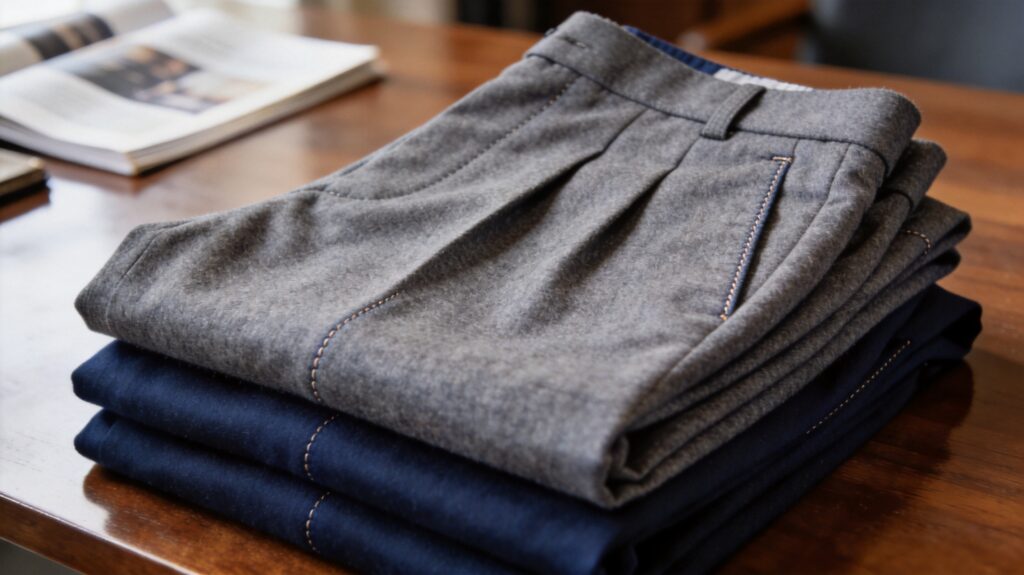
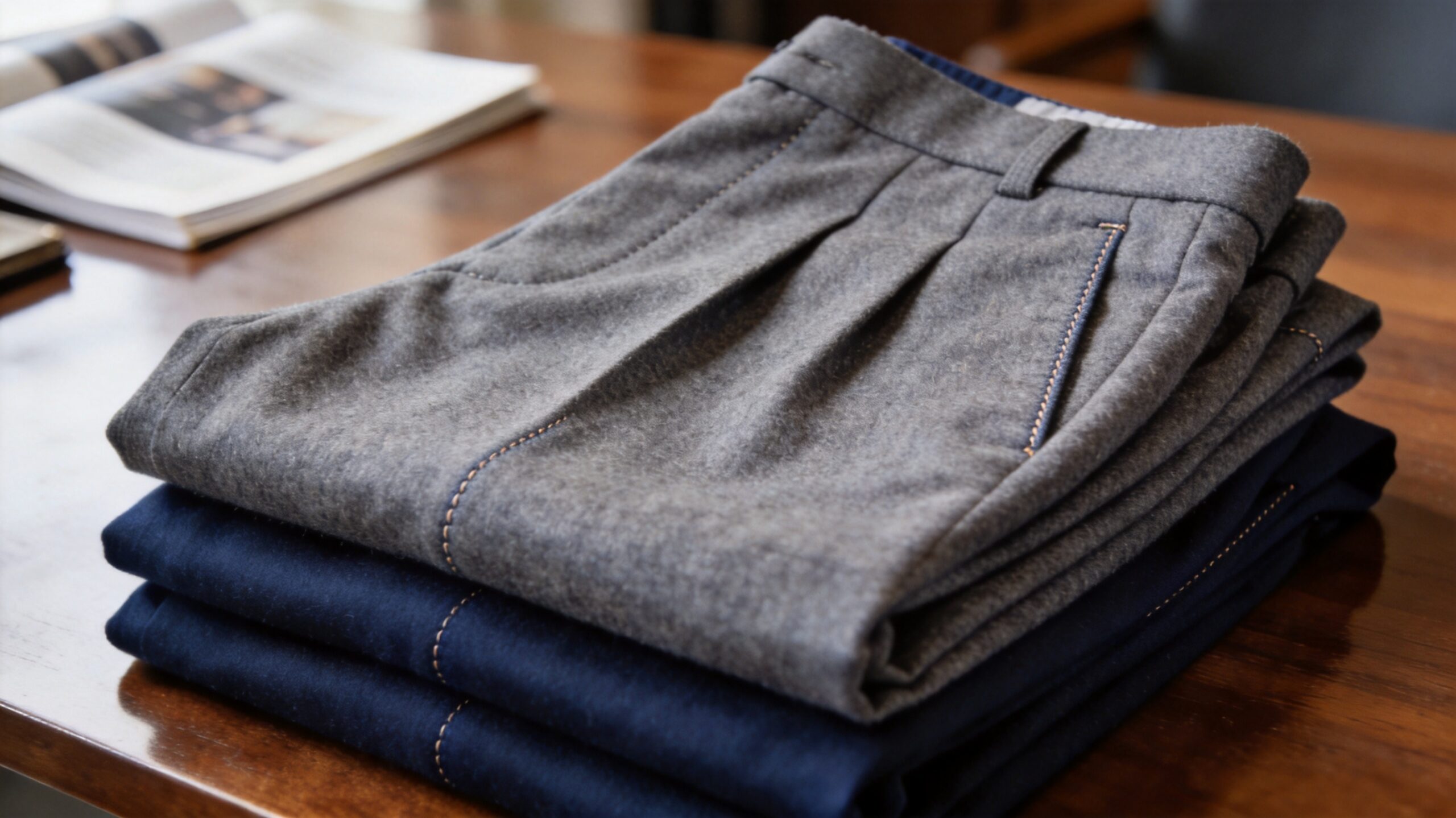
Among the various options available, flannel dress trousers stand out as the gold standard for cold-weather corporate attire. Flannel offers a unique combination of thermal efficiency, soft texture, and classic tailoring that synthetic alternatives cannot match. The brushed surface of the fabric creates a sophisticated matte finish that looks exceptionally professional. By investing in premium winter dress trousers made of flannel, businesses can ensure their team looks sharp while staying warm throughout the coldest months of the year.
2. Key Specifications of Premium Flannel Dress Trousers
Fabric Weight and Material Composition
When sourcing flannel dress trousers in bulk, understanding technical specifications is crucial to ensuring product longevity and wearer comfort. You can consult a technical reference to evaluate fabric performance. For winter dress trousers, a fabric weight between 280 GSM and 340 GSM is ideal, according to standard industry reference guidelines. Pure wool flannel provides excellent warmth but can be expensive and high-maintenance. Consequently, many B2B buyers opt for wool blends (such as 60% wool, 35% polyester, and 5% elastane) which offer the luxury feel of wool with added durability and stretch.
Balancing Insulation and Breathability
The brushed surface of flannel creates tiny air pockets that trap body heat, providing excellent insulation. However, it is vital that the fabric remains breathable to prevent overheating indoors. High-quality flannel dress trousers utilize open-weave wool structures or breathable synthetic blends that allow moisture vapor to escape. This ensures comfort during transitions from cold outdoor commutes to heated office spaces, preventing the wearer from feeling clammy.
Durability and Crease Resistance for Daily Wear
Corporate uniforms must withstand daily wear and frequent cleaning. Pure wool flannel is prone to pilling and losing shape over time if not cared for meticulously. Incorporating synthetic fibers like polyester or nylon enhances tensile strength and crease resistance. A wrinkle-resistant finish is highly recommended for bulk orders, reducing the need for daily ironing and keeping employees looking polished from morning meetings to evening commutes. For other corporate wellness and comfort solutions, you can browse our full range of products.
3. Comparing Flannel with Other Winter Dress Trousers
Flannel vs. Standard Worsted Wool
Worsted wool is the default fabric for year-round suits. While it looks sleek, it lacks the loft and brushed texture required to trap heat in sub-zero temperatures. Flannel dress trousers, with their characteristic napped finish, provide significantly higher thermal insulation than worsted wool, making them the superior choice for winter-specific uniforms. Worsted wool can feel cold against the skin in winter, whereas flannel offers immediate warmth and comfort.
Flannel vs. Synthetic Fleece-Lined Trousers
Fleece-lined trousers are exceptionally warm but often look bulky and casual. They rarely meet the aesthetic standards of formal corporate environments. Flannel dress trousers offer a sophisticated, tailored drape that fits seamlessly into boardrooms while providing comparable warmth without the bulkiness of fleece linings. For corporate roles, flannel remains the clear winner in balancing professional aesthetics with thermal performance.
4. Sourcing Flannel Dress Trousers in Bulk
Evaluating Manufacturer Minimum Order Quantities (MOQs)
Sourcing flannel dress trousers in bulk requires careful evaluation of manufacturing partners. Buyers should contact potential suppliers to negotiate flexible MOQs that allow for initial sizing trials before committing to larger volumes.
Customization and Private Label Options
For corporate branding, look for manufacturers that offer custom waistbands, branded buttons, interior lining options, and embroidery. Selecting a supplier that provides private label services allows you to align the winter dress trousers with your corporate identity. Custom linings can also add an extra layer of warmth and comfort, enhancing the premium feel of the trousers.
Quality Control and Sizing Standards for Diverse Teams
A diverse workforce requires a wide range of sizes. Ensure your supplier uses standardized sizing charts (such as US, EU, or UK standards) and offers both regular and slim fits. Requesting pre-production samples and verifying that the manufacturer holds ISO or OEKO-TEX certifications will guarantee consistent quality control across all sizes, minimizing returns and exchanges.
5. Cost Factors and Logistics in B2B Procurement
Bulk Pricing Tiers
Procurement decisions are ultimately driven by budget and logistics. Manufacturers typically offer tiered pricing, where ordering in larger volumes (e.g., 500+ units) significantly reduces the cost per unit. When calculating the total cost of ownership, factor in import duties, customs clearance, and local warehousing costs to avoid unexpected expenses.
Lead Times and Shipping Timelines for Seasonal Inventory
Sourcing winter dress trousers must be planned months in advance. Fabric sourcing, sample approval, and production typically take 60 to 90 days. Sea freight adds another 30 to 45 days. To ensure inventory arrives before the first winter frost, procurement managers should place their bulk orders no later than late spring or early summer.
6. Frequently Asked Questions (FAQs) for Procurement Managers
What is the best fabric blend for corporate flannel trousers?
For corporate environments, a blend of 50% to 70% wool combined with polyester and a small percentage of spandex or elastane is highly recommended. This blend offers the premium warmth and texture of wool, the durability and wrinkle resistance of polyester, and the comfort stretch needed for office mobility.
How do we care for bulk-sourced winter dress trousers?
While pure wool flannel requires dry cleaning, wool-blend flannel dress trousers can often be formulated for machine washing on a gentle cycle. To prolong the life of the garments, advise employees to wash them in cold water, avoid tumble drying, and use a cool iron if necessary. Providing clear care labels on the garments helps maintain the uniform’s appearance over multiple seasons.
Conclusion
Sourcing the right winter dress trousers is a strategic investment in employee comfort and brand representation. By selecting premium flannel dress trousers that balance warmth, durability, and professional aesthetics, procurement managers can deliver a high-quality uniform solution that stands up to the coldest winter months. Partnering with the right manufacturer, understanding fabric specifications, and planning logistics early are the keys to a successful bulk procurement process.